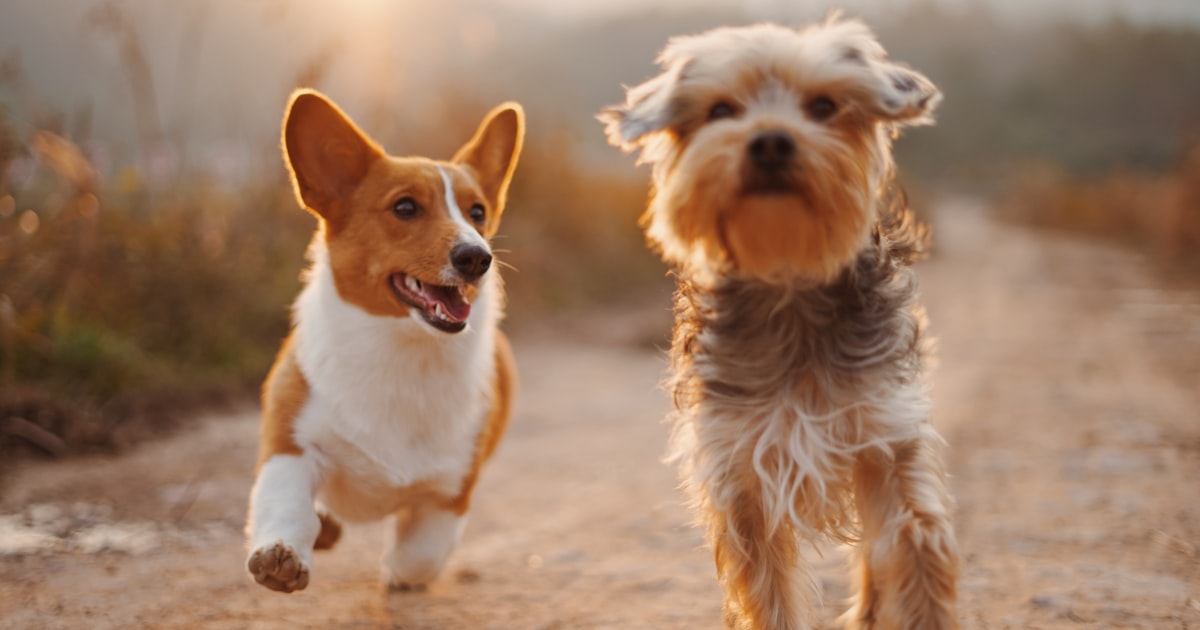
Dogs are master communicators — but they're not speaking our language. While humans rely heavily on verbal communication, dogs express themselves primarily through body language. Every position of their tail, every tilt of their ears, every shift in their posture is a word in their rich vocabulary.
The problem is that humans often misinterpret these signals. A wagging tail doesn't always mean a happy dog. A dog who appears calm might actually be showing signs of stress. Learning to accurately read canine body language is essential for building a strong relationship with your dog, preventing bites, and ensuring their emotional well-being.
The Tail: More Than Just Wagging
The tail is often the first thing people look at to gauge a dog's mood. But tail language is far more nuanced than most people realize. Position, speed, and direction of the wag all matter.
Tail Position: Height Indicates Emotional State
A study published in Current Biology found that tail position correlates directly with a dog's confidence and emotional arousal. The higher the tail, the more confident or aroused the dog. The lower the tail, the more uncertain, submissive, or fearful.
- High and stiff: Aroused, alert, potentially assertive or aggressive. This dog is confident and may be challenging.
- High and wagging: Excited and confident. Often seen during play or when greeting someone the dog likes.
- Neutral position (level with back): Relaxed and content. This is a calm, comfortable dog.
- Low but not tucked: Uncertainty or mild worry. The dog is not fully comfortable with the situation.
- Tucked between legs: Fear, anxiety, or submission. This dog is scared and trying to make themselves smaller.
Wag Speed and Amplitude
A fast wag usually indicates higher arousal — which could be excitement or agitation. A slow wag might suggest the dog is assessing a situation. Broad, sweeping wags involving the whole rear end typically signal happiness and friendliness. Small, tight wags that barely move the tail can indicate tension or uncertainty.
Research from the University of Trento in Italy discovered that dogs wag more to the right when seeing something positive (like their owner) and more to the left when seeing something concerning. This asymmetry reflects the brain's emotional processing.
The Myth of the 'Happy Wag'
This is crucial: a wagging tail does NOT always mean a friendly dog. Dogs wag their tails in many emotional states, including aggression. A high, stiff tail with a tight, rapid wag can precede a bite. Always consider tail language in combination with other body signals.
Ears: The Emotional Radar
Ear position is one of the most reliable indicators of a dog's emotional state. Dogs can move their ears independently and adjust them based on what they're hearing and feeling.
Forward-Facing Ears
When a dog's ears are forward and alert, they're engaged and interested in something. This is a confident, attentive position. Dogs investigating a new object or listening to a sound they find interesting will orient their ears forward.
Pinned-Back Ears
Ears flattened against the head indicate fear, submission, or anxiety. This is a dog trying to make themselves appear smaller and less threatening. Severely pinned ears combined with other stress signals (like whale eye or a tucked tail) suggest the dog is very uncomfortable.
Slightly Back and Relaxed
Ears that are slightly back but not pinned, with a soft, relaxed face, usually indicate a content, friendly dog. You'll often see this when petting a dog who's enjoying the attention.
One Ear Up, One Ear Down
This asymmetrical position often happens when a dog is uncertain or processing conflicting information. It can also just mean they're listening to sounds from different directions. Context matters here.
Note that ear shape varies significantly by breed. Dogs with erect ears (like German Shepherds) can express more range than dogs with floppy ears (like Basset Hounds). But even floppy-eared dogs can move the base of their ears forward and back.
Eyes: Windows to Emotional State
Eye contact and eye shape tell you volumes about how a dog is feeling. Understanding these subtle signals can help you recognize stress before it escalates.
Soft Eyes vs. Hard Stare
Soft eyes — with a relaxed face, slightly squinted eyes, and normal pupil size — indicate a calm, comfortable dog. Hard eyes — a fixed stare with dilated pupils and tense facial muscles — signal intensity, which could be focus, arousal, or a warning. A prolonged hard stare in dog language is a threat or challenge.
Whale Eye (Half-Moon Eye)
Whale eye is when you can see the whites of your dog's eyes, usually because they're looking at something from the corner of their eye while turning their head away. This is a classic stress signal. Dogs show whale eye when they're uncomfortable, worried, or guarding a resource.
If you see whale eye when reaching for your dog's food bowl or toy, stop what you're doing. The dog is telling you they're not comfortable with your approach.
Blinking and Looking Away
Dogs use slow blinks and looking away as calming signals. When a dog breaks eye contact and looks away, they're being polite and non-confrontational in dog language. Forcing eye contact with a stressed dog can escalate their anxiety.
Dilated Pupils
Sudden pupil dilation indicates a surge in arousal, which could be from excitement, fear, or aggression. Combined with other body language, dilated pupils can help you gauge your dog's emotional intensity.
Mouth and Facial Expression
A dog's mouth position and lip tension reveal a lot about their comfort level.
Relaxed, Open Mouth
An open mouth with a loose, slightly panting appearance (sometimes called a 'doggy smile') is a sign of a relaxed, happy dog. The corners of the mouth may be slightly back, and the tongue may be visible and relaxed.
Closed Mouth
A mouth that's suddenly closed when it was previously open can indicate tension or stress. A dog processing an uncertain situation will often close their mouth as they assess.
Lip Licking and Nose Licking
Quick lip licks — not the slow, deliberate licks after eating — are a calming signal. Dogs lick their lips when they're mildly stressed, uncertain, or trying to appease. You might see this at the vet, when meeting a new person, or during training.
Yawning
While dogs yawn when tired, they also yawn as a stress response. Context-inappropriate yawning (like at the vet or during a stressful training session) is a calming signal indicating discomfort.
Showing Teeth
A snarl — lips pulled back, teeth exposed, often with a wrinkled muzzle — is a clear warning. This dog is communicating 'back off.' Some dogs also do a 'submissive grin' which looks similar but has a different context (usually greeting-related and accompanied by submissive body language). Know your individual dog.
Overall Posture: The Big Picture
While individual body parts tell part of the story, overall posture gives you the complete picture of your dog's emotional state.
Confident/Assertive Posture
- Weight forward on front legs
- Tall, upright stance
- Tail high
- Ears forward
- Direct eye contact
- May include piloerection (raised hackles)
This dog is confident and possibly assertive. Not necessarily aggressive, but definitely not submissive. Use caution with unfamiliar dogs showing this posture.
Fearful/Submissive Posture
- Weight shifted back
- Lowered body, possibly crouching
- Tail tucked
- Ears back or pinned
- Avoiding eye contact or showing whale eye
- May roll over to expose belly
This dog is scared and trying to appease. Fear can lead to fear-based aggression if the dog feels cornered, so give them space and avoid looming over them.
Relaxed/Playful Posture
- Loose, wiggly body
- Play bow (front down, rear up)
- Bouncy movements
- Wide, sweeping tail wag
- Open mouth, relaxed face
- May include brief pauses (play pauses to check in)
A dog in this state is happy and engaged. Play should include natural pauses and role reversals (taking turns chasing). If play becomes too one-sided or intense, interrupt and redirect.
Stressed/Anxious Posture
- Weight often shifted back
- Tense muscles
- Lowered or tightly held tail
- Ears back or constantly moving
- Panting (when not hot or exercised)
- May include trembling, pacing, or excessive shedding
Chronic stress can lead to health and behavioral problems. If your dog regularly shows stress signals, identify and address the triggers.
Putting It All Together: Context Is Everything
The key to accurately reading body language is never looking at just one signal in isolation. A dog with a wagging tail might seem happy until you notice their ears are pinned back, their mouth is closed, and they're showing whale eye.
Always consider the full picture: all body parts, the environment, what just happened, and what's about to happen. A dog who's tense at the vet might be perfectly relaxed at home. Context matters enormously.
Common Misunderstandings About Dog Body Language
Myth 1: Tail Wagging Always Means Happy
As discussed, dogs wag in many emotional states. Position and quality of the wag matter more than the wag itself.
Myth 2: A Dog Showing Their Belly Wants a Belly Rub
Sometimes yes, but often this is a submissive or appeasement gesture. If the dog looks tense, has a tucked tail, or is avoiding eye contact, they're showing submission, not requesting pets.
Myth 3: Yawning Means Tired
Dogs yawn when tired, but also when stressed. A dog yawning at the vet is probably not sleepy.
Myth 4: Raised Hackles Mean Aggression
Piloerection (raised hackles) indicates arousal, which could be excitement, fear, or aggression. It's an involuntary response. Look at the rest of the body language to understand the emotion.
Teaching Children to Read Dog Body Language
Most dog bites to children happen because adults misread the warning signs. Teaching kids to recognize stress signals can prevent incidents.
- If the dog walks away, leave them alone — they're saying 'I need space'
- Look for a 'happy' face: relaxed mouth, soft eyes, wiggly body
- Watch for freeze responses: a dog who suddenly goes still may be stressed
- Never approach a dog who is eating, sleeping, or confined
- Ask permission from the owner before petting any dog
Instant Body Language Analysis with Dogly
Wonder what your dog is trying to tell you in real-time? Dogly's AI-powered body language scanner analyzes your dog's posture, facial expressions, and tail position to give you instant insights into their emotional state. Simply point your camera, and Dogly translates what you're seeing into clear, actionable information. Download Dogly today and never miss what your dog is saying.